
Europe and North America Continue Advancing H2-ICE Collaboration
Hydrogen-powered internal combustion engines (H2-ICE) continue gaining attention across Europe and North America as industries, researchers, and policymakers explore practical pathways for reducing emissions in transportation and industrial applications.
To strengthen international collaboration and improve information sharing across regions, Germany’s Allianz Wasserstoffmotor and the Hydrogen Engine Alliance – North America (H2EA-NA) are launching a shared global newsletter highlighting recent activities, technical developments, conferences, demonstrations, and policy discussions related to hydrogen engine technologies.
Both organizations were established around a shared goal: supporting the development and deployment of hydrogen internal combustion engine technologies through technical collaboration, education, and industry engagement. While activity and infrastructure development continue at different speeds across regions, both alliances remain focused on strengthening dialogue between industry, government, academia, and infrastructure providers.
This biannual joint update highlights recent developments and upcoming activities across Europe and North America as both alliances continue supporting practical pathways for hydrogen-powered transportation and industrial applications.
EUROPE UPDATE
Allianz Wasserstoffmotor Expands Visibility at NUFAM 2025
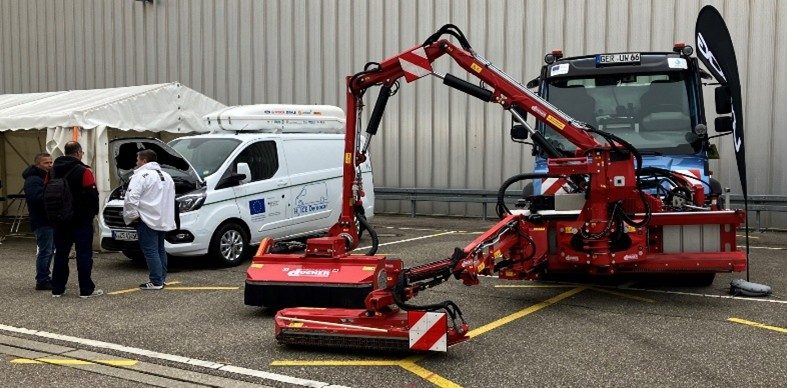
The visibility of hydrogen engine technologies remained a central focus of Allianz Wasserstoffmotor throughout the past year. In addition to its annual members meeting, the Alliance continued emphasizing public engagement and technical outreach through exhibitions and industry events designed to demonstrate the maturity of hydrogen engine technologies. At the 2025 annual meeting, held alongside the NUFAM commercial vehicle trade fair in Karlsruhe, Germany, the Alliance expanded its exhibition presence by opening the showcase to all trade fair attendees. The event highlighted hydrogen-powered applications across both on-road and off-road sectors and reflected growing interest in practical deployment. Six manufacturers presented hydrogen-powered vehicles ranging from light-duty commercial vehicles to heavy-duty trucks and specialized off-highway equipment. Vehicles on display included semitrailers, dump trucks, wheel loaders, and municipal utility platforms. In parallel, 18 suppliers exhibited hydrogen engine components and supporting technologies, including sensors, pistons, lubricants, injection systems, and emissions-related technologies.
A central theme throughout the conference was the question of what is required to support the successful market adoption of hydrogen engines. Discussions focused heavily on infrastructure, regulatory frameworks, and international coordination. Infrastructure readiness remained one of the most discussed topics, with participants emphasizing that hydrogen fuel costs remain a major challenge and noting that a transition period between grey and green hydrogen will likely be necessary during early deployment phases. Speakers also stressed the importance of developing localized hydrogen ecosystems capable of supporting fleets, fueling stations, suppliers, and industrial users together. Another recurring topic was future fueling standards and the role of 350 bar, 700 bar, and liquid hydrogen systems for commercial transportation applications.
International collaboration also remained a key focus. Discussions highlighted that hydrogen engine development is progressing globally, although at different rates depending on policy, infrastructure readiness, and market conditions. Speakers emphasized the importance of continued cooperation between industry, regulators, and infrastructure providers as hydrogen mobility develops further. Jon Atkinson of Cummins noted the importance of continuing development across multiple propulsion technologies while strengthening collaboration between regulators, OEMs, and infrastructure stakeholders. Regulatory discussions centered largely on Europe, with participants calling for more harmonized regulations and technology-neutral funding approaches based on carbon dioxide reduction rather than specific technologies. In his closing remarks, Allianz Wasserstoffmotor Chairman Prof. Thomas Koch emphasized the continued importance of collaboration, technical exchange, and coordinated policy support for hydrogen engine deployment.
Germany Launches Hydrogen Infrastructure Funding Initiative
Germany’s Federal Ministry of Transport launched a €220 million funding initiative focused on hydrogen refueling infrastructure and hydrogen-powered commercial vehicles. The program is designed to support the development of publicly accessible hydrogen refueling stations alongside the deployment of hydrogen-powered heavy-duty vehicle fleets. Funding applications must include both infrastructure development and associated vehicle deployment to help ensure sufficient station utilization from the start.
According to NOW GmbH, the initiative is intended to support “a reliable market ramp-up and greater climate protection in heavy goods transport” through the combined deployment of hydrogen refueling infrastructure and hydrogen-powered commercial vehicles. The program focuses on package funding that links publicly accessible hydrogen refueling stations with vehicle fleets to ensure both baseline station utilization and reliable refueling access for freight and logistics operators.
The initiative includes hydrogen combustion engine vehicles in addition to fuel cell technologies. Under the program, publicly accessible hydrogen refueling stations and hydrogen-powered commercial vehicles above 3.5 tons are eligible for support. The funding structure reflects increasing recognition that infrastructure deployment and vehicle adoption must advance together to support long-term market activation.
Europe and North America Continue Collaboration
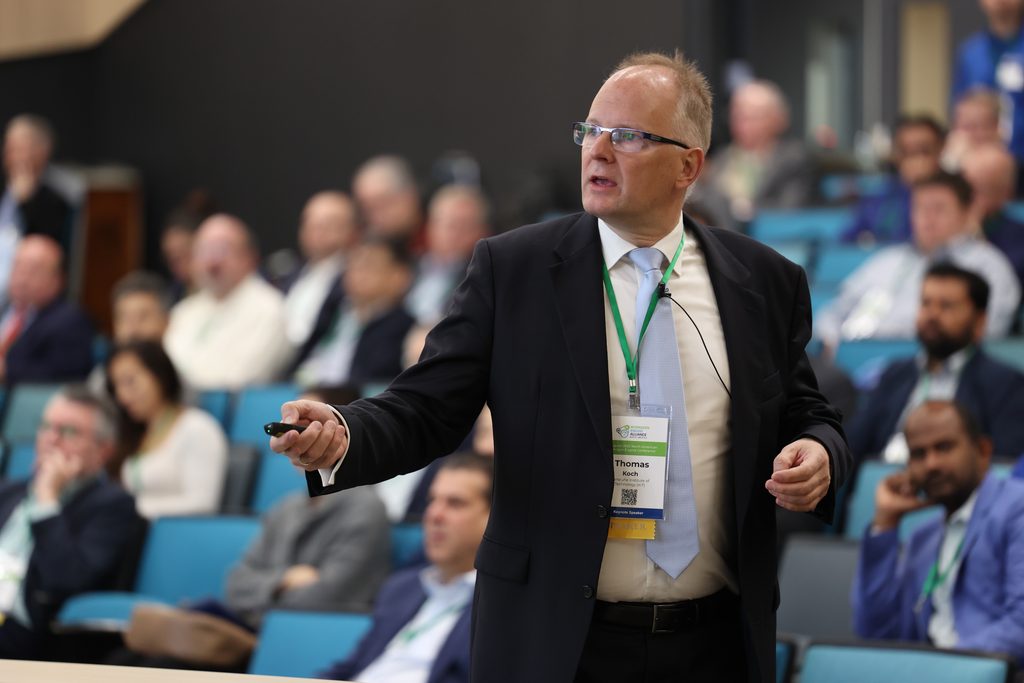
Collaboration between Allianz Wasserstoffmotor and H2EA-NA continued throughout the year through conferences, technical discussions, and shared educational activities. Earlier this year, Prof. Thomas Koch, CEO of Allianz Wasserstoffmotor and professor at Karlsruhe Institute of Technology, delivered the keynote address at H2EA-NA’s inaugural North American Hydrogen Engine Conference in Riverside, California. His presentation focused on hydrogen engine activities in Europe, infrastructure development, and the importance of continued international collaboration. As hydrogen mobility discussions continue evolving globally, both alliances remain focused on supporting technical exchange and practical deployment pathways for hydrogen-powered transportation systems.
NORTH AMERICA UPDATE
H2EA-NA Continues Expanding Cross-Sector Engagement
The Hydrogen Engine Alliance – North America continues growing its network across industry, academia, and government. The Alliance now includes 35 member organizations representing engine manufacturers, suppliers, research institutions, energy companies, public agencies, and technology developers working across the hydrogen value chain. Over the past year, H2EA-NA has focused on technical collaboration, member engagement, and public education related to hydrogen internal combustion engine technologies and transportation applications.

Inaugural North American Hydrogen Engine Conference
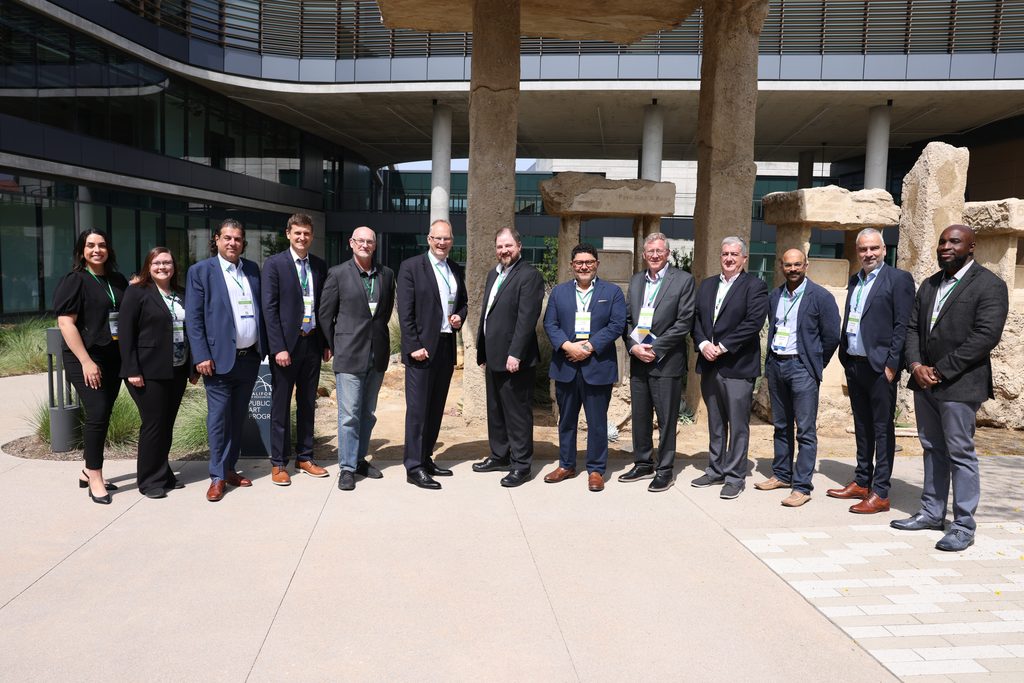
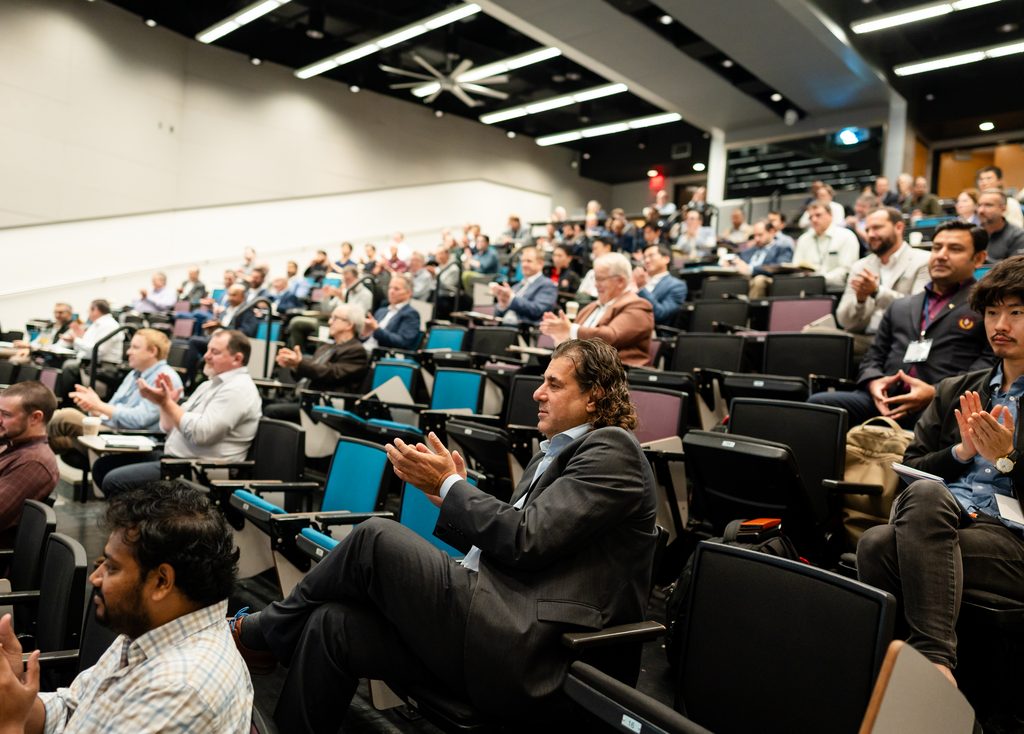
On May 1–2, 2025, H2EA-NA hosted the inaugural North American Hydrogen Engine Conference at the California Air Resources Board headquarters in Riverside, California. The conference brought together more than 150 attendees from over 90 organizations representing industry, academia, government agencies, nonprofit organizations, and research institutions. Attendees included representatives from major OEMs and suppliers, federal and state agencies, academic institutions, and industry coalitions.The program featured four technical sessions covering progress in H2-ICE technologies, hydrogen production and logistics, infrastructure and safety, on-road and off-road applications, and challenges related to deployment and commercialization. The conference provided a platform for technical discussions, research exchange, and collaboration among organizations working across hydrogen transportation and infrastructure.
Fall 2025 Conference at the University of Michigan
H2EA-NA continued its conference activities with the Fall 2025 North American Hydrogen Engine Conference held Oct. 13–14, 2025, at the University of Michigan in Ann Arbor. The conference welcomed more than 130 attendees representing over 90 organizations from industry, academia, government, and nonprofit sectors. In addition to technical sessions, the conference included members-only workshops focused on H2-ICE technology development and applications, hydrogen production and logistics, policy challenges, and public perception related to hydrogen engine adoption. The event continued the Alliance’s emphasis on practical deployment discussions, technical collaboration, and member engagement.
PHINIA Hydrogen Vehicle Demonstration at UC Riverside
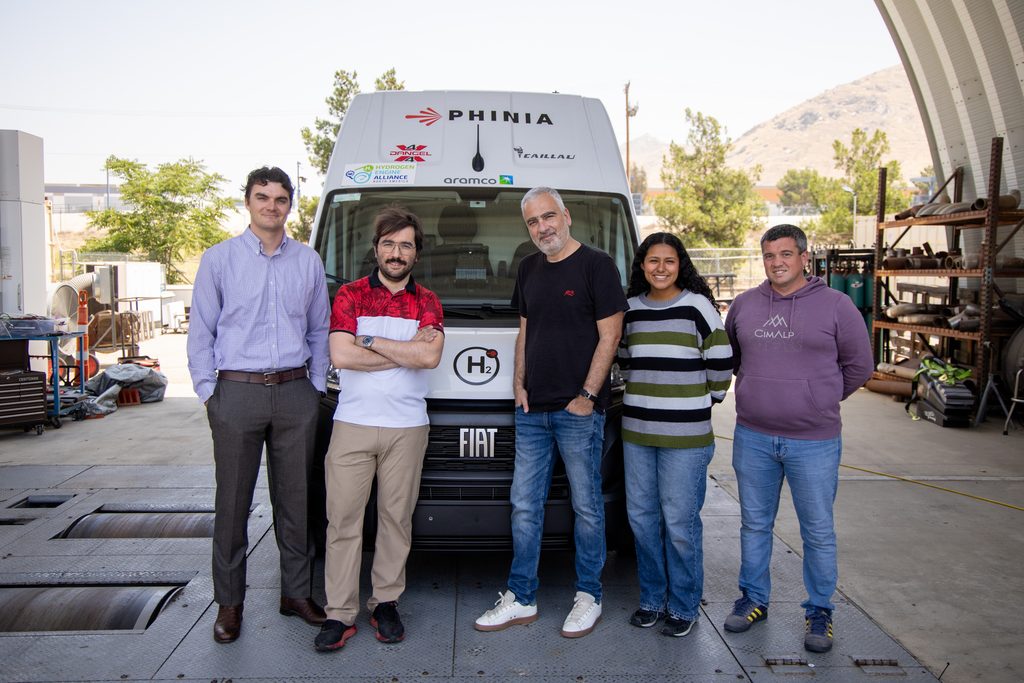
PHINIA, a member of H2EA-NA, recently brought a hydrogen internal combustion engine (H2-ICE) van to UC Riverside’s Center for Environmental Research and Technology (CE-CERT) for testing and demonstration activities. Supported through collaboration between UCR, industry partners, and the Hydrogen Engine Alliance – North America, the project represents what researchers describe as the first major U.S. demonstration and testing effort of its kind for a medium-duty hydrogen internal combustion engine vehicle. Following testing activities at CE-CERT, the vehicle was displayed at the California State Capitol as part of broader engagement efforts with policymakers and transportation stakeholders.
H2EA-NA thanks PHINIA for developing the vehicle and bringing it to California; UC Riverside and CE-CERT for leading testing and demonstration activities; AVL for supporting the team with the AVL M.O.V.E FT portable Fourier-transform infrared emissions measurement system; and Sensors, Inc. for providing the Semtech CPN portable emissions measurement system for in-use emissions characterization.
H2EA-NA Participates in SAE WCX™ 2026
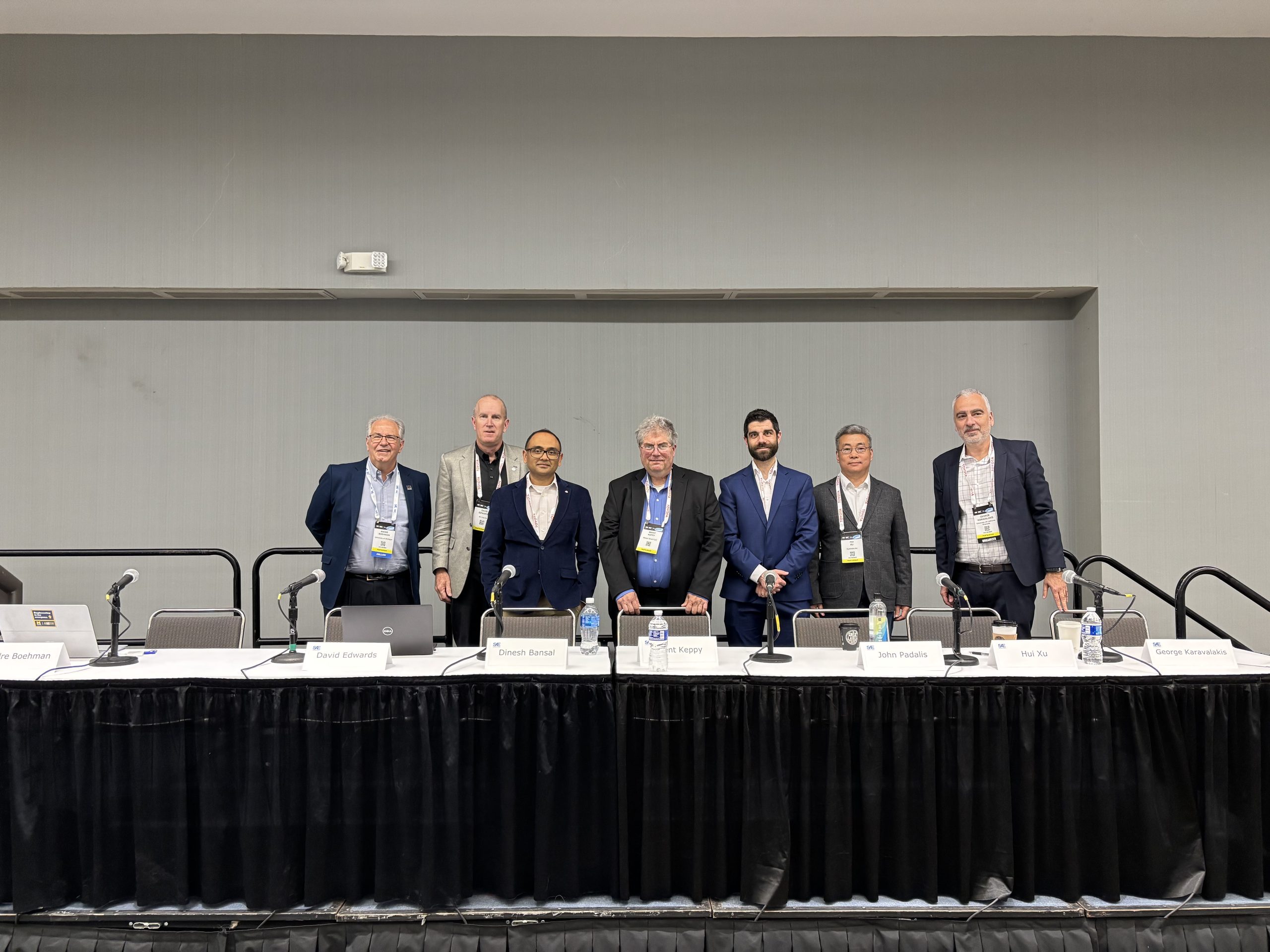
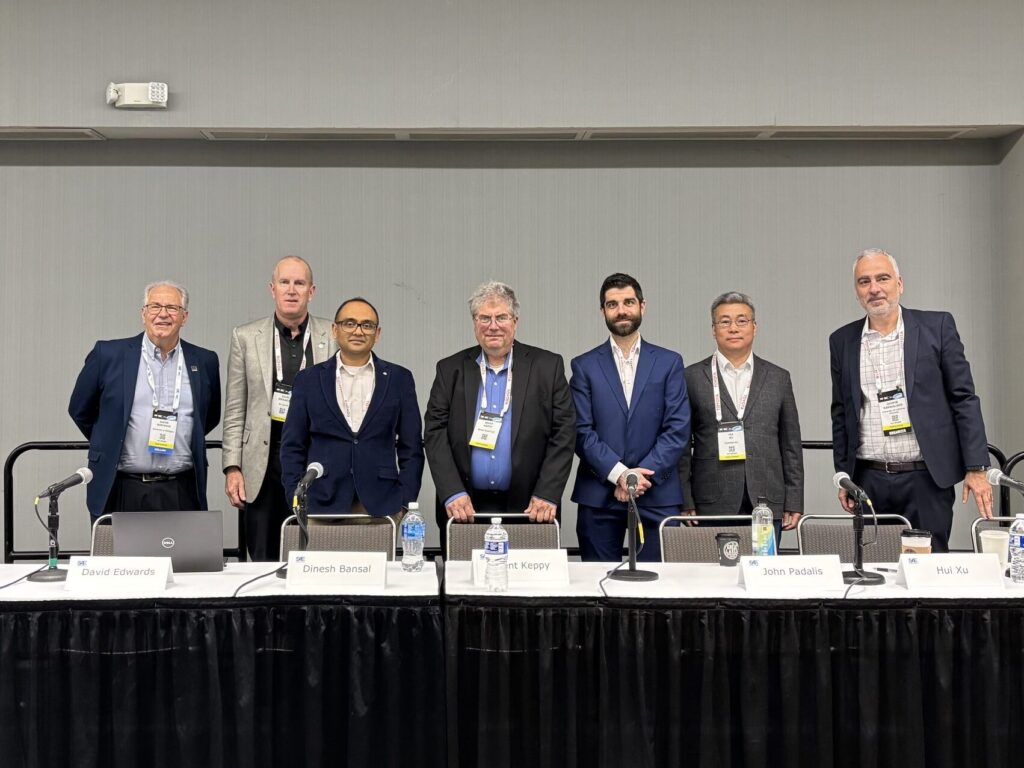
In April 2026, H2EA-NA participated in the SAE WCX™ World Congress Experience in Detroit through a technical panel titled “Hydrogen Internal Combustion Engines: Current Status and Role in Decarbonizing Transportation.” The session brought together representatives from industry and academia to discuss current developments in hydrogen internal combustion engine technologies and ongoing work across the sector. Panel participants included representatives from the University of Michigan, University of California, Riverside, Chevron, Cummins, Bosch, Daimler Truck North America, Tenneco, Air Liquide, Forvia, and Purem by Eberspächer. Discussions focused on technical progress, infrastructure considerations, deployment challenges, and the role hydrogen engines may play in low-carbon transportation strategies.
Member Webinar Series Supports Ongoing Technical Exchange
To maintain engagement between conferences, H2EA-NA continued its members-only webinar series throughout the year, providing a forum for technical discussions, Alliance updates, and collaboration among members across industry, academia, and government. Webinar participation has continued to grow alongside Alliance membership, with discussions focused on technology development, commercialization challenges, infrastructure, policy, and demonstration opportunities. Recent webinars have featured presentations from leading organizations across the hydrogen engine ecosystem. In September 2025, members reviewed Alliance growth and strategic priorities while discussing opportunities for hydrogen engine demonstrations, partnerships, and commercialization pathways. In January 2026, Emmanuel Brelin of John Deere’s Engine Engineering Center in France presented hydrogen engine development efforts for stationary power generation and construction equipment applications, including a hydrogen-powered VÖGELE paver and genset demonstrator. Most recently, members heard from IVECO Group’s FPT Powertrain team. Chris Walters, Head of North America Public Affairs, and Simone Costa, Innovation Manager, shared research on transient particulate emissions from heavy-duty hydrogen internal combustion engines and discussed ongoing development of hydrogen combustion and emissions control technologies. The webinar series continues to provide members with direct access to technical experts and a platform for sharing developments across the hydrogen engine sector.
Upcoming Events and Activities
Both Allianz Wasserstoffmotor and H2EA-NA continue expanding opportunities for technical exchange, collaboration, and industry engagement through conferences and member events planned for 2026.
In Germany, Allianz Wasserstoffmotor will host its Annual Members’ Meeting on Nov. 12–13, 2026. The meeting will continue the Alliance’s focus on collaboration between industry, academia, infrastructure providers, and policymakers working to advance hydrogen engine technologies and deployment strategies. In addition, the 7th Hydrogen Engine + Refuels Conference will take place Sept. 21–22, 2026, in Karlsruhe, Germany, bringing together stakeholders from across the hydrogen mobility and infrastructure sectors to discuss technical developments, fueling systems, and real-world applications.
In North America, H2EA-NA will host the Fall 2026 North American Hydrogen Engine Conference on Sept. 15–16, 2026, at Huntington Place in Detroit, Michigan. The conference will begin with a members-only program featuring keynote presentations, panel discussions, and technical sessions, followed by a networking reception and banquet. The second day will open to all attendees and feature presentations and discussions focused on real-world H2-ICE applications, infrastructure, policy, and cross-sector collaboration.
Together, these events continue supporting international dialogue and technical collaboration surrounding hydrogen-powered internal combustion engine technologies and their role in low-carbon transportation.